


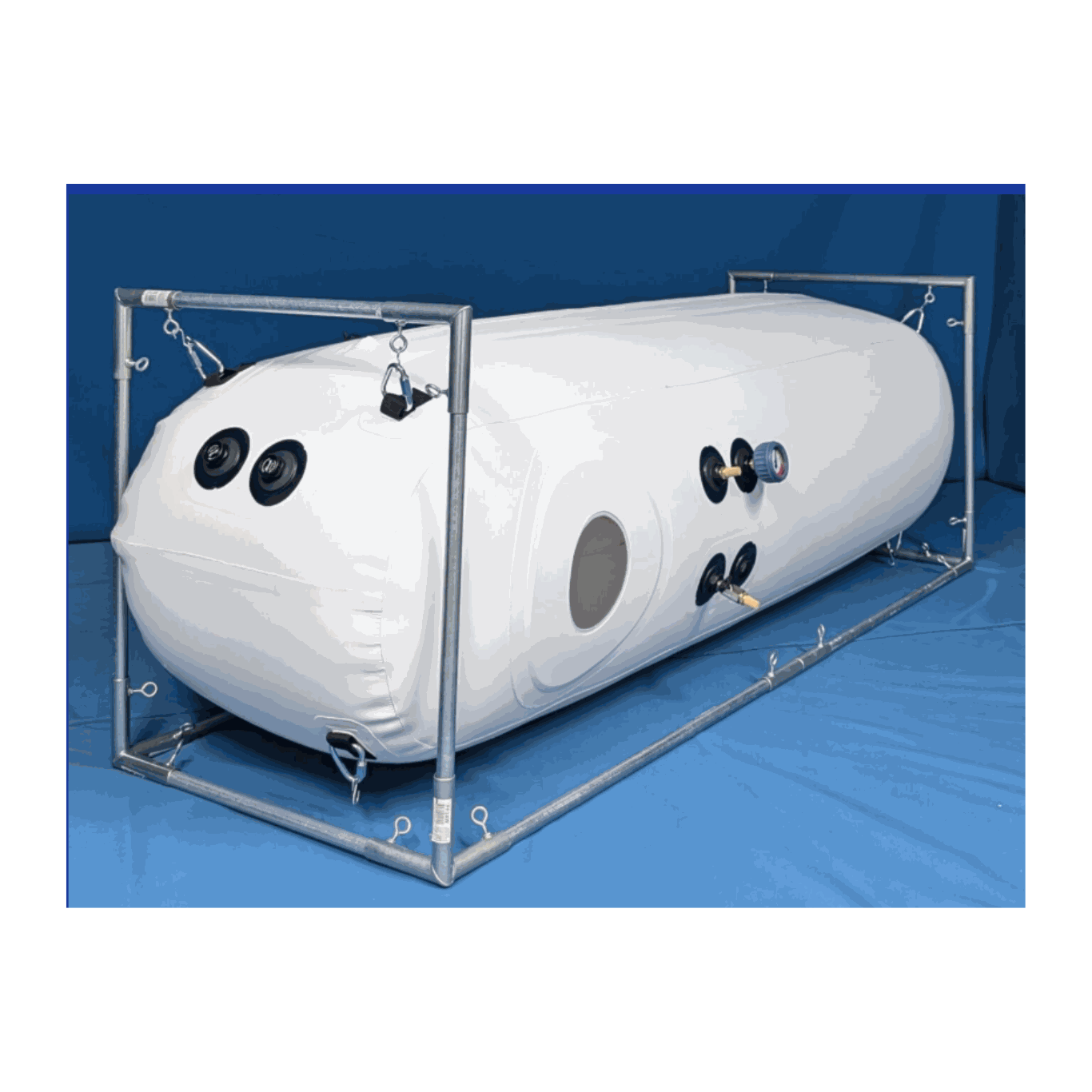



HYPERBARIC CHAMBER (A4-27)
-
Elevate Your Wellness with the Compact A4-27 Hyperbaric Chamber
The A4-27 Hyperbaric Chamber is an advanced, FDA-cleared, mild hyperbaric system designed to bring the benefits of oxygen therapy directly into your home, clinic, or wellness center. This space-saving chamber is engineered for optimal safety and efficacy, operating at a gentle 1.3 ATA (4 PSI) to safely saturate your body's plasma with oxygen.
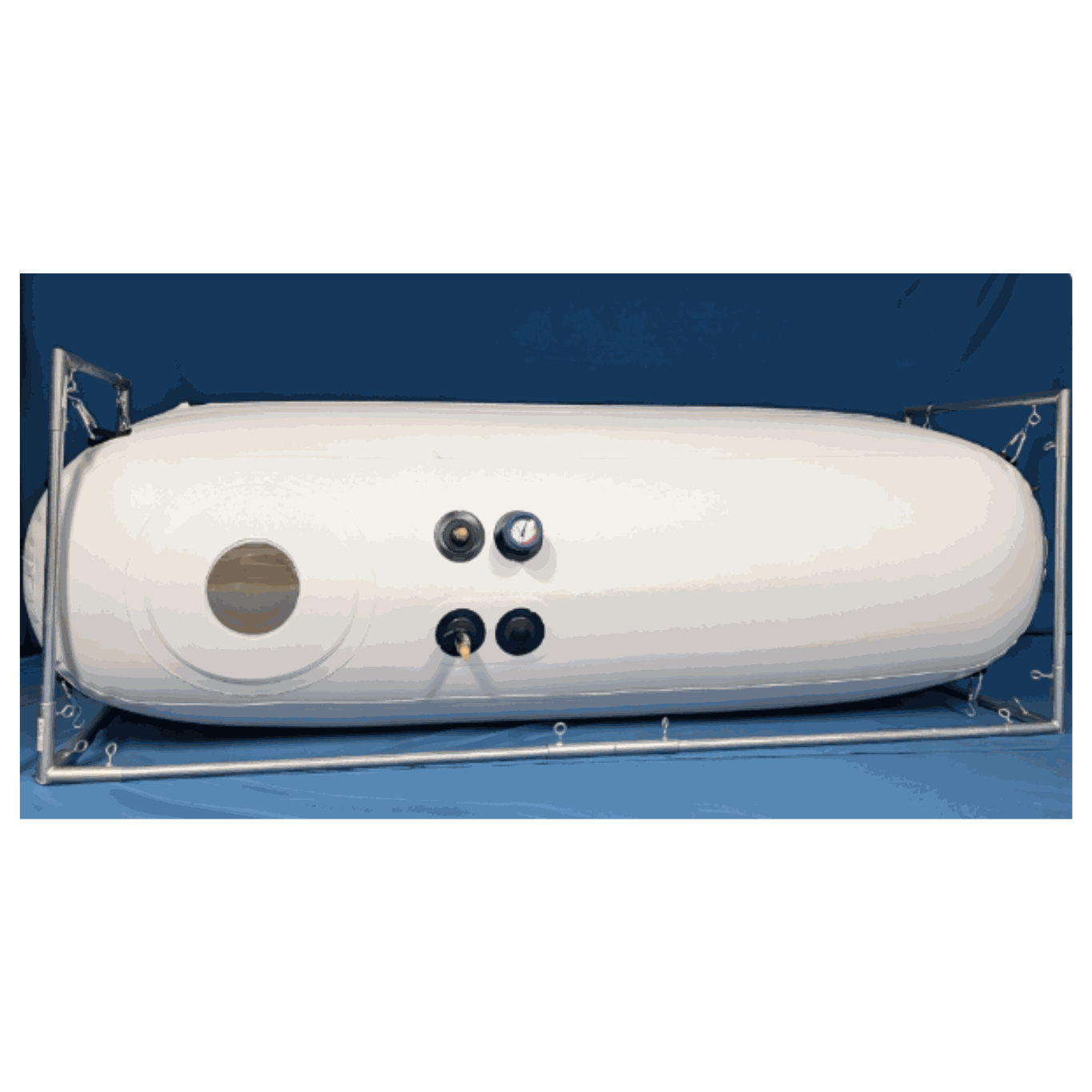
Built with a commitment to quality, the chamber features hypoallergenic, medical-grade materials and a durable steel pipe frame for stability. Its quiet operation and one reinforced viewing windows create a calm, comfortable, and safe treatment environment. The chamber includes dual, redundant pressure relief valves, contributing to a documented 100% safety record since 2001.
Standard Chamber Dimensions & Specifications
The following specifications pertain to the compact, standard model, designed for easy integration into smaller spaces, accommodating users for comfortable seated or reclining sessions:
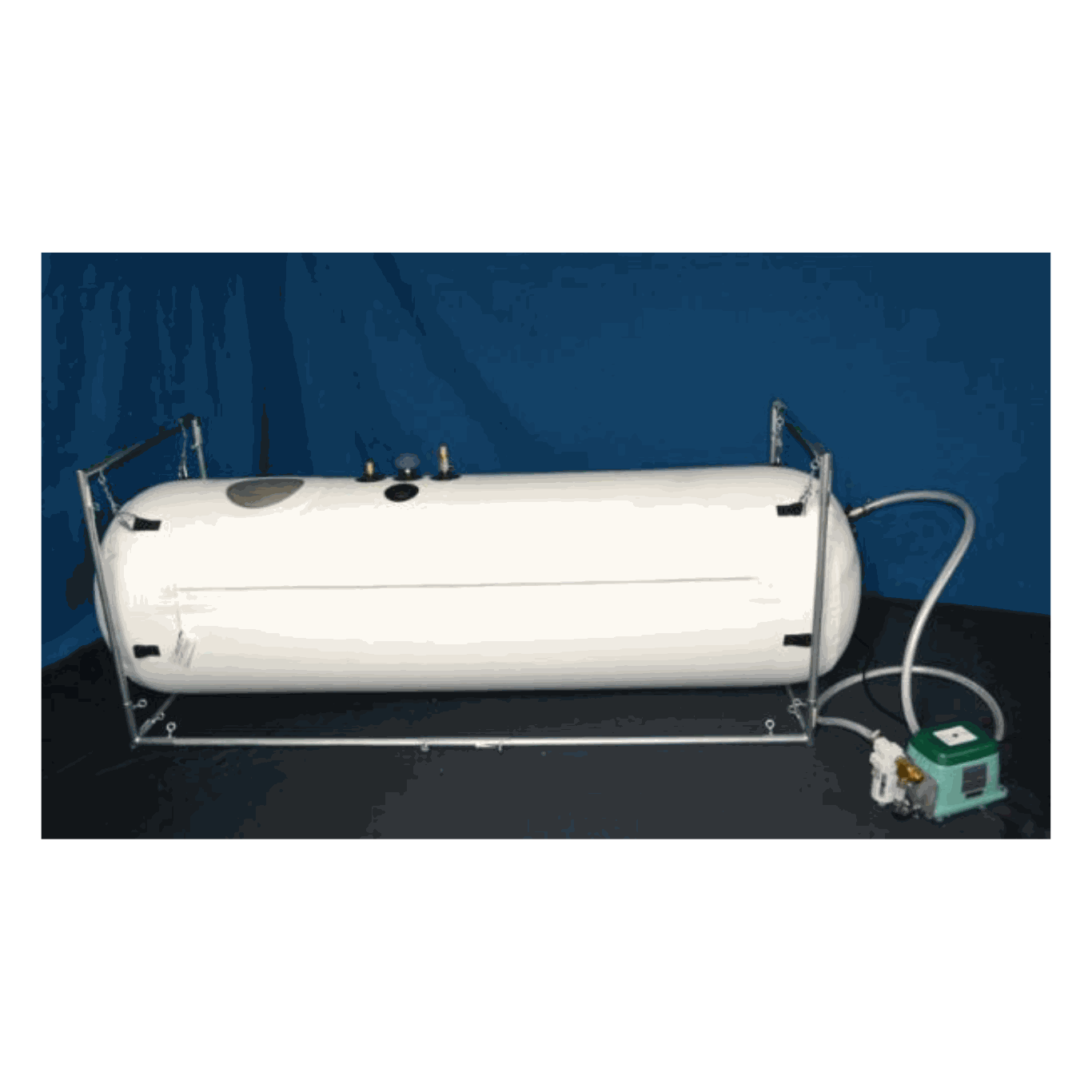
Feature Details Operating Pressure 4 PSI / 1.3 ATA (Atmospheres Absolute) Fully Inflated Dimensions 67 inches long / 30 inches wide / 42 inches tall External Frame Dimensions 72 inches long / 30 inches wide / 42 inches high (Head End) Air Compressor 80L High-Performance Compressor Viewing Windows Two reinforced viewports for visibility and comfort Safety Features Dual, redundant pressure relief valves and a compressor safety override Core Wellness Benefits
Mild Hyperbaric Oxygen Therapy (HBOT) enhances overall vitality by delivering increased oxygen to the body's tissues and organs. The therapeutic effects of the chamber include:
-
Accelerated Healing and Recovery: Flooding cells with oxygen speeds up tissue repair, supporting faster recovery from intense workouts, injuries, and surgical procedures.
-
Reduced Inflammation and Pain: Increased oxygen circulation helps decrease acute and chronic swelling, offering a powerful anti-inflammatory effect.
-
Enhanced Cognitive Function: Improved oxygen delivery to the brain supports increased focus, mental clarity, and memory, combating fatigue and promoting optimal brain health.
-
Anti-Aging and Skin Support: HBOT has been shown to stimulate the production of collagen, promoting skin elasticity and overall cellular regeneration.
-
Boosted Energy and Vitality: By optimizing cellular function, sessions can lead to more restful sleep and a significant increase in overall energy levels.
-
Immune System Support: The oxygen-rich environment strengthens the body's defense mechanisms, helping the body fight infections and supporting a normalized immune system.
Fact: HBOT and Telomere Length Increase (Cellular Aging)
Telomeres are the protective caps at the ends of chromosomes, and their shortening is considered a primary biological hallmark of aging and age-related disease.
Key Study Facts:
-
Pioneering Research: A 2020 prospective clinical trial published in the peer-reviewed journal Aging investigated the effect of HBOT on two cellular hallmarks of aging: telomere shortening and the accumulation of senescent cells (old, malfunctioning cells).
-
Study Population: The trial involved 35 healthy, independently living adults aged 64 and older.
-
Protocol: Participants received 60 HBOT sessions over the course of 90 days.
-
Result (Telomere Elongation): Following the HBOT protocol, the telomere length of various immune cells (T helper, T cytotoxic, Natural Killer, and B cells) was significantly increased by over 20%. The most significant elongation was seen in B cells, which increased by nearly 38%.
-
Result (Cellular Senescence): The study also showed a significant decrease (up to 37%) in the percentage of senescent T helper cells.
-
Conclusion: This research was the first in humans to demonstrate that a specific HBOT protocol can effectively lengthen telomeres at a rate far exceeding any currently available interventions or lifestyle modifications.
Case Study: Neurological Recovery and Ambulation
Hyperbaric Oxygen Therapy is known for its neuro-reparative effects, particularly its ability to stimulate angiogenesis (new blood vessel growth) and neurogenesis (new brain cell growth) in damaged tissue. This capability is what drives anecdotal and clinical reports of significant functional recovery in patients with brain and spinal cord injuries
Key Recovery Case Study Fact:
-
The Near-Drowning Case: A groundbreaking 2017 case study documented the complete reversal of brain damage in a toddler who suffered a near-drowning incident.
-
The Injury: The child was underwater for an estimated 5–15 minutes, resulting in severe global brain damage that left her unable to speak, walk, or hold her head up.
-
The Treatment: The toddler underwent an HBOT protocol, which involved repeated sessions in a hyperbaric chamber.
-
The Outcome: After 39 sessions, the child not only regained the ability to speak normally but also regained the ability to walk. Repeated MRI scans confirmed the regrowth of both gray and white matter that had been lost, demonstrating the therapy's ability to trigger significant tissue regeneration. This outcome showcased the potential of HBOT to help recover major motor and cognitive function lost due to traumatic neurological injury.
Weight: 40 lbs
*For Professionals only*
If you already possess a Dermafirm professional account, please log in to view the "Add to Bag" button and proceed to checkout.
If you have not yet registered, you can create a professional account by clicking the "Register Here" button below.

-